
Celebrating Railway 200
What is Railway 200?
Officially celebrated on 27th September, Railway 200 is a nationwide campaign to celebrate 200 years since the Stockton & Darlington Railways opened in 1825 – the world’s first passenger railway.
Before passenger services were introduced, the railway was used primarily for mining and industrial operations. Run on private tracks you wouldn’t have seen any stations or timetables. The first steam-powered railway locomotive was built by Richard Trevithick in 1804, however it wasn’t commercially successful. George Stephenson’s much improved steam locomotive design led to the success of Stockton & Darlington Railway – and the rest, as they say, is history.
200 years of the modern railway
A lot has changed since 1825, and the railway we travel on today is unrecognisable compared to earlier versions.
Modernisation & sustainability
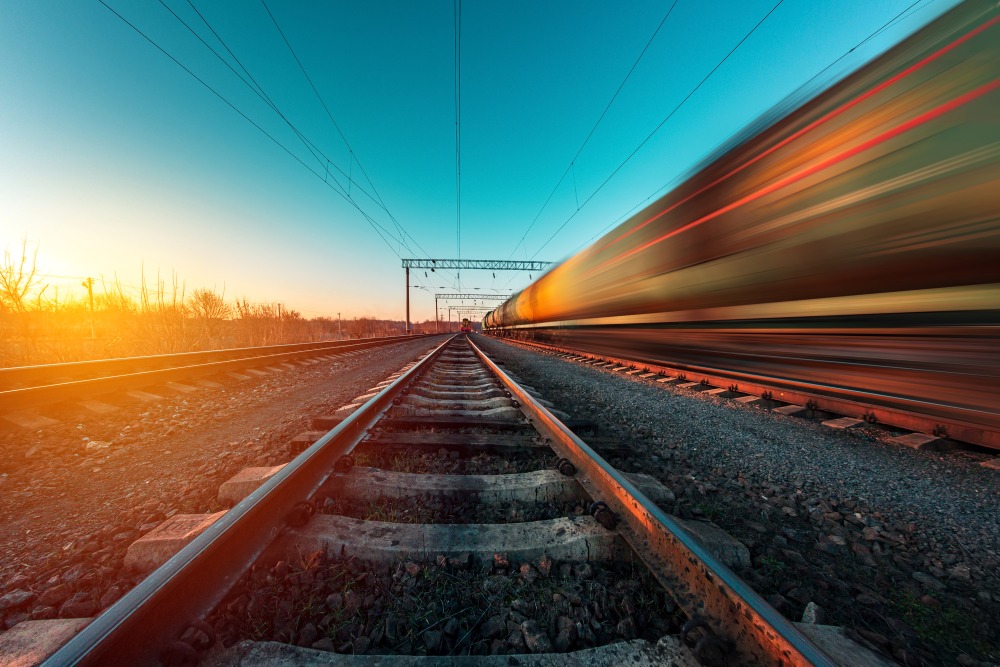
High-speed rail, digital signalling, and decarbonisation reshape the industry
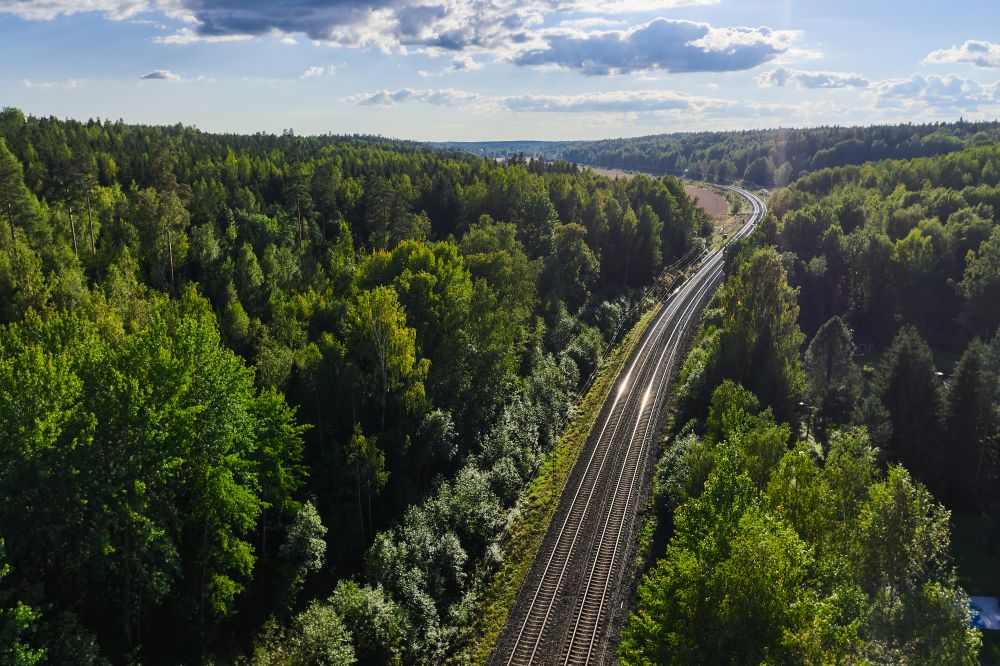
Railways play a key role in reducing carbon emissions and promoting green logistics
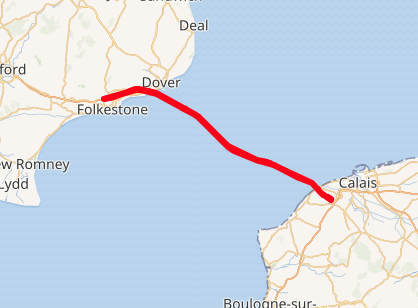
Channel Tunnel opens
UK connected to mainland Europe by rail
Expansion & Nationalisation
British Railways formed in 1948
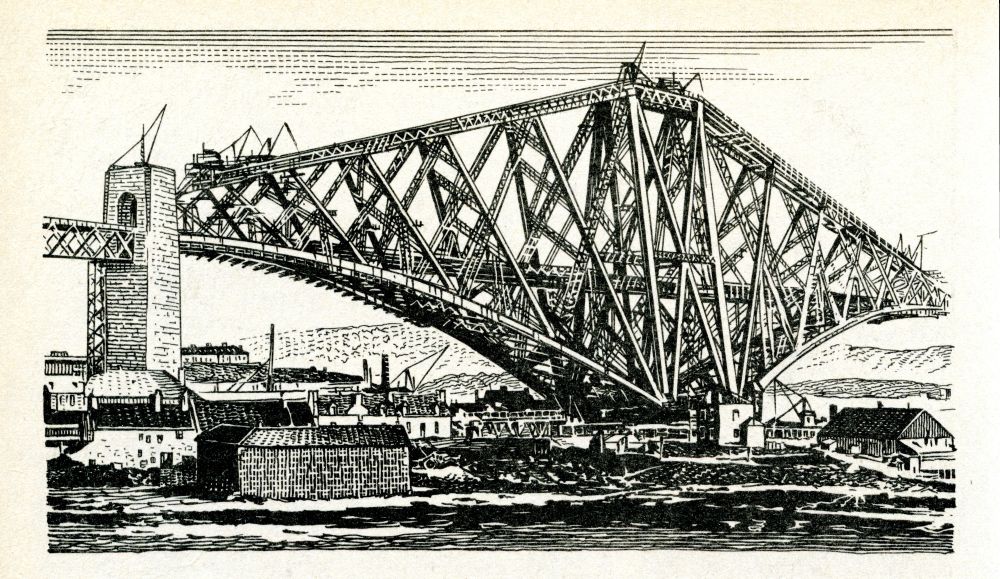
Forth Bridge opens
First major steel railway bridge in Britain
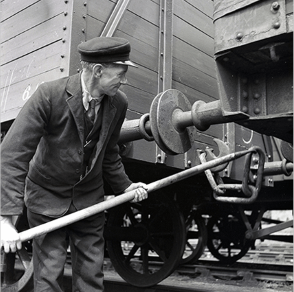
Shunter pole invented
Safer coupling of rail vehicles
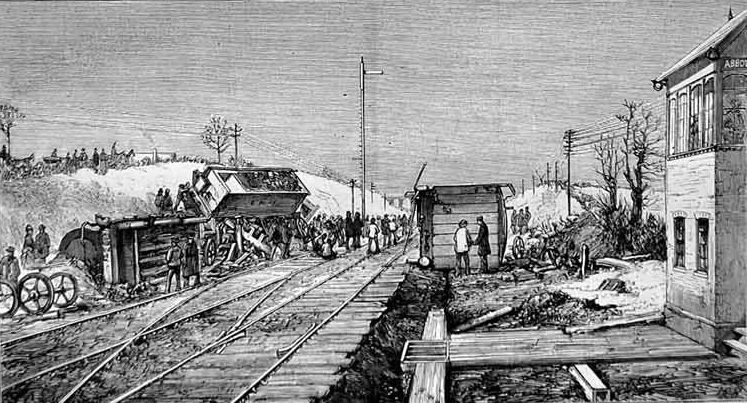
Safety innovation
Abbots Ripton crash leads to improved signalling with “danger” as default
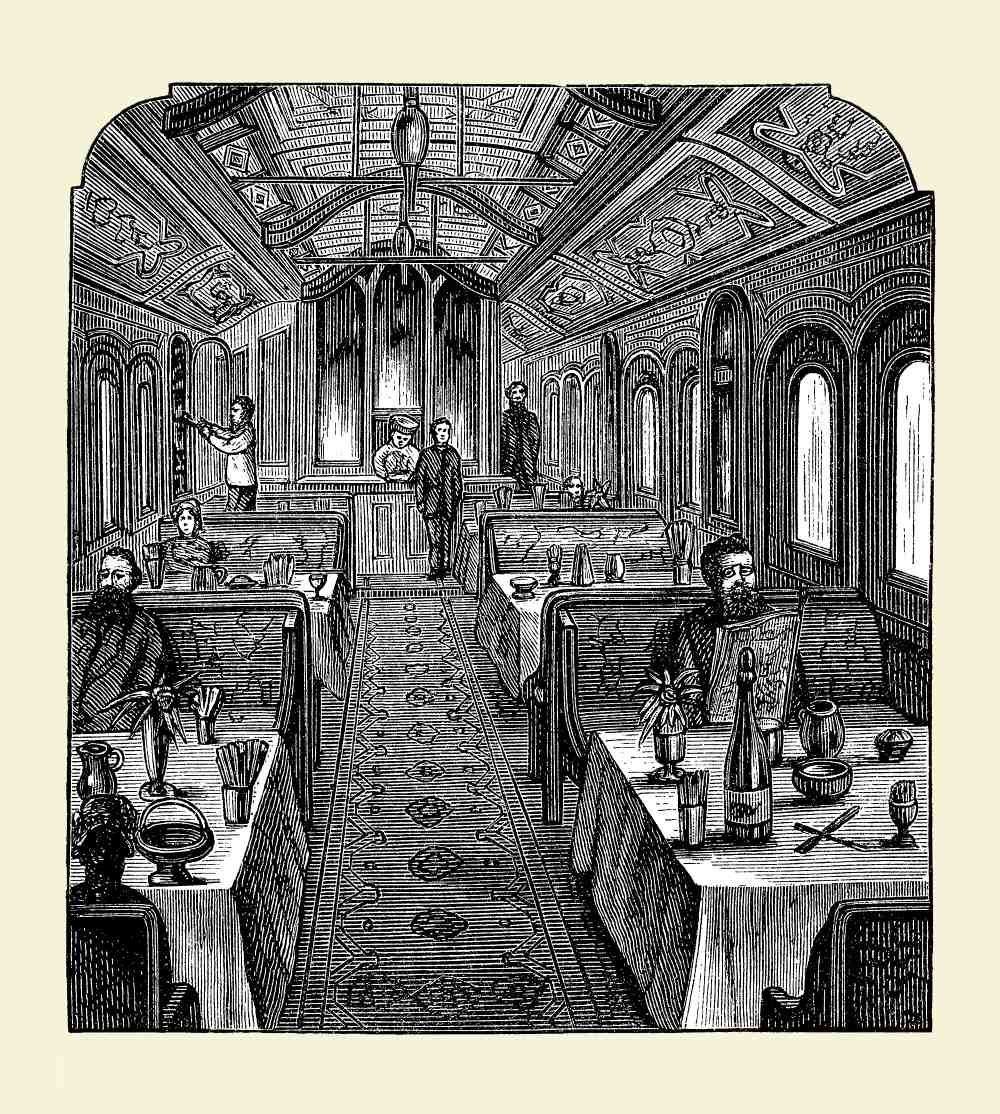
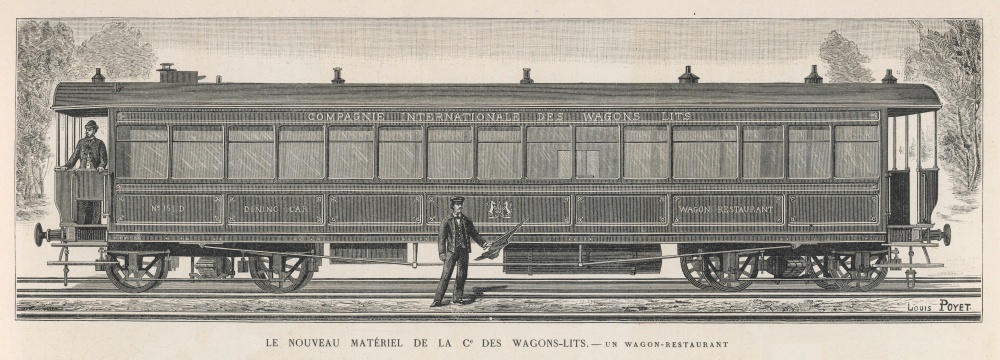
Sleeping & dining cars
Sleeping and dining cars introduced
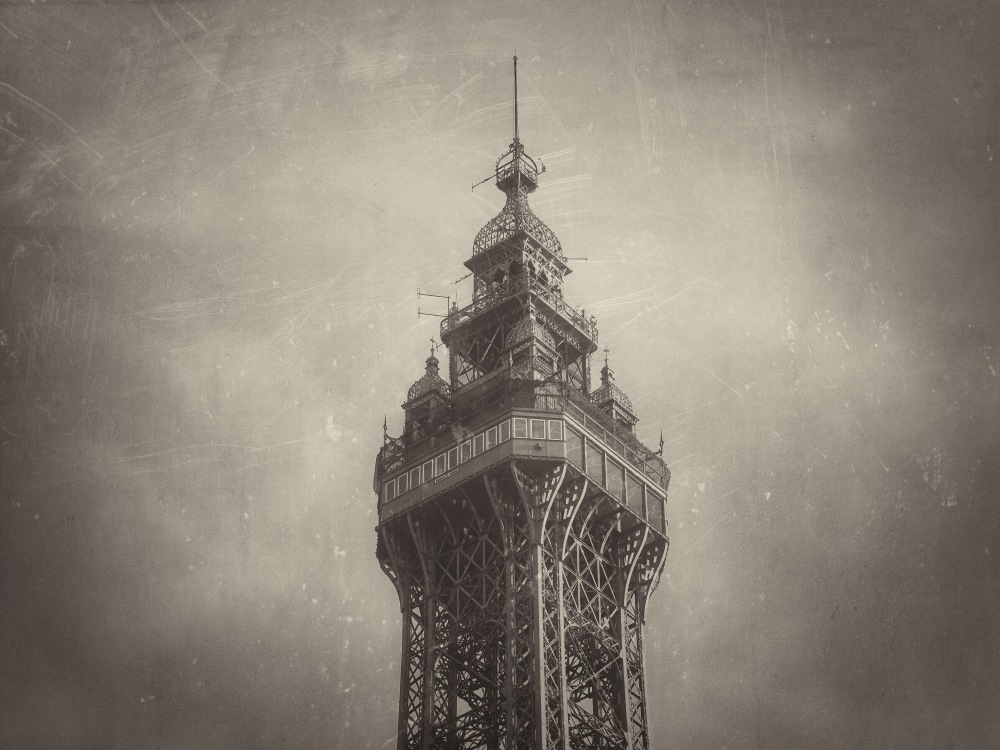
Holidays by train
23,000 visitors travel to Blackpool in 1860
Railway time
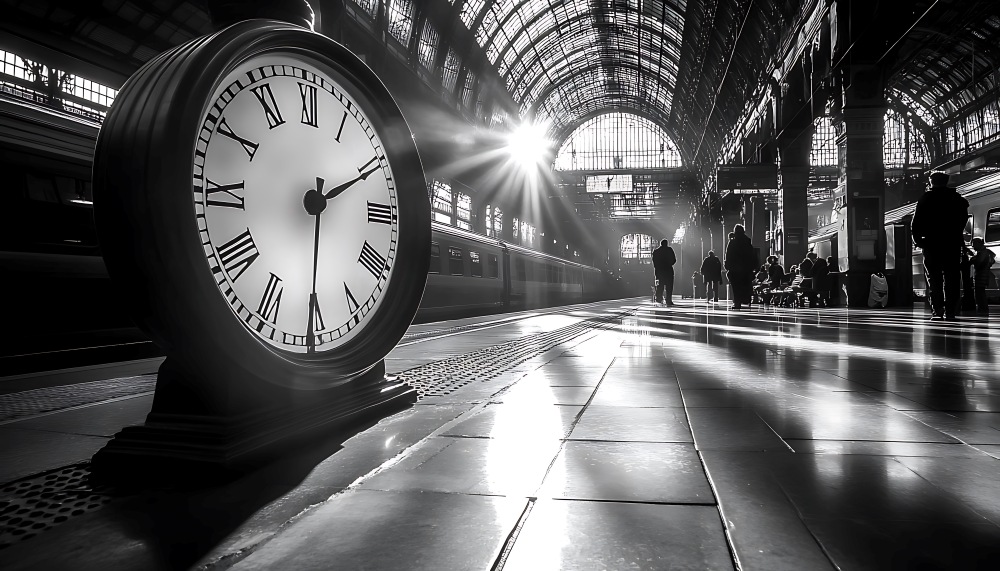
Greenwich Mean Time adopted across the network
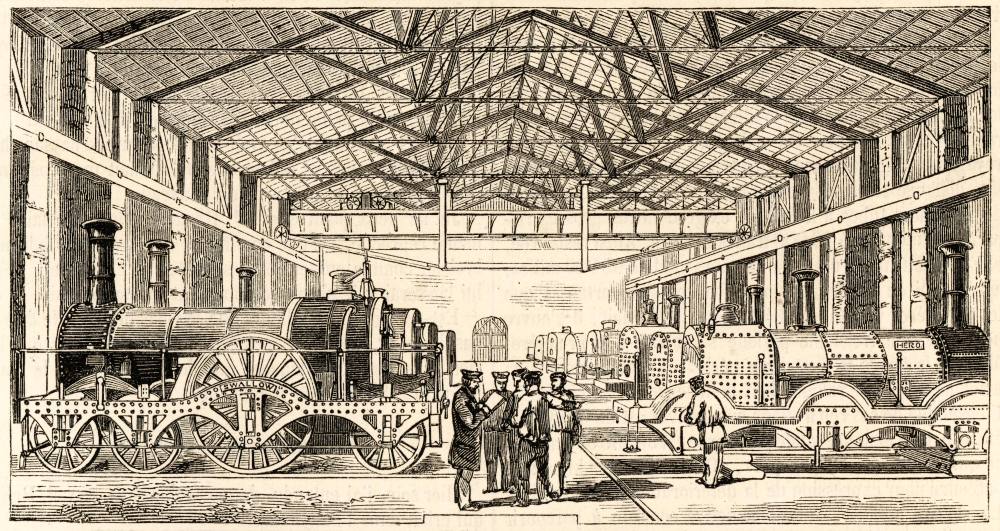
Railway Boom
Swindon and Crewe grow rapidly
Third-class carriages get roofs (1844)
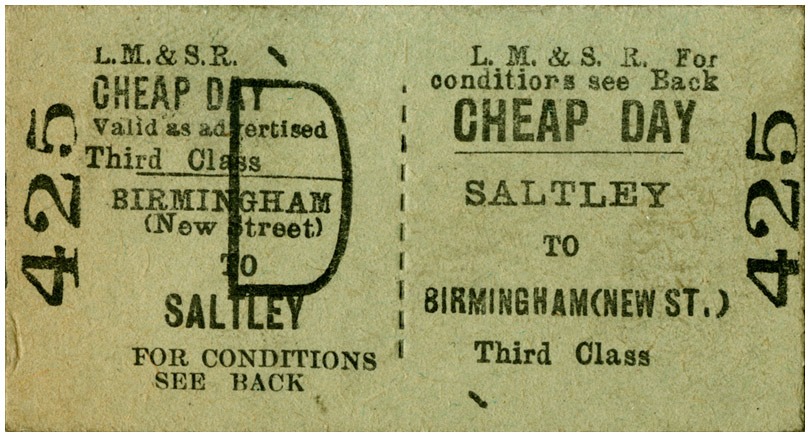
Edmondson tickets standardise travel
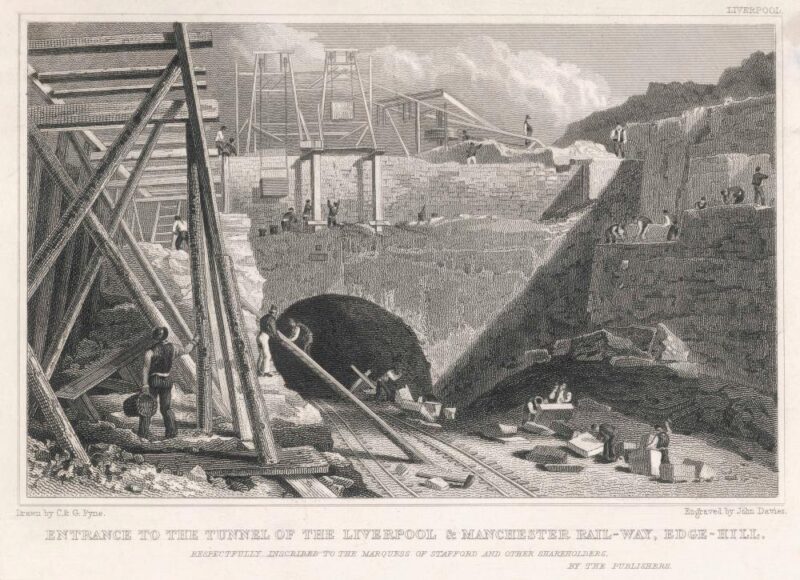
Liverpool and Manchester railway
First fully operational inter-city railway with scheduled services and signalling
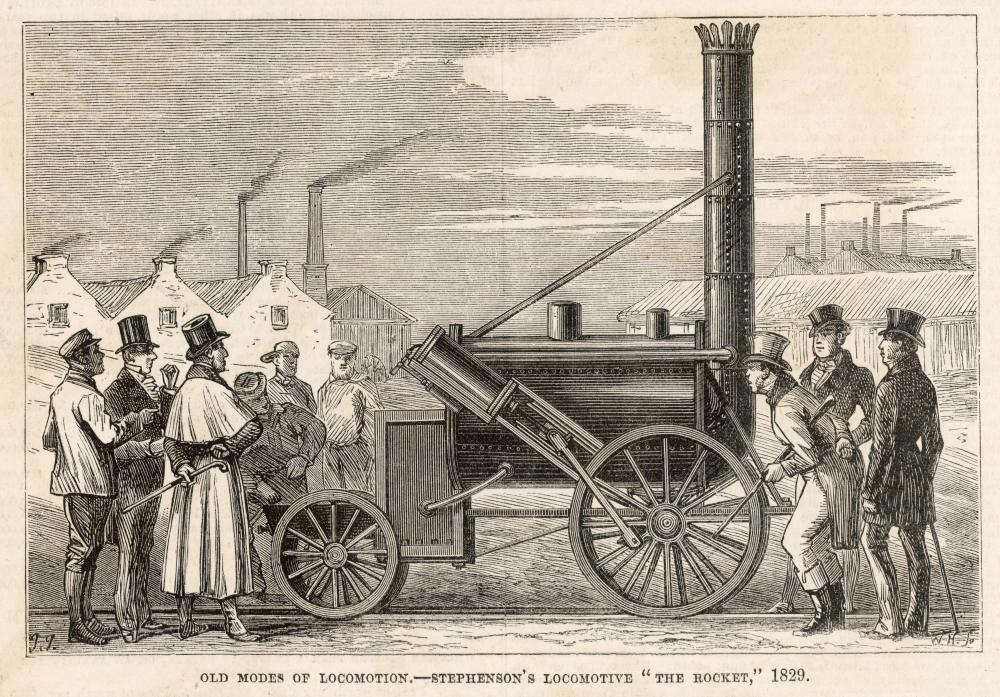
Stephenson’s Rocket
Wins Rainhill Trials, setting the standard for steam locomotives
Birth of the modern railway
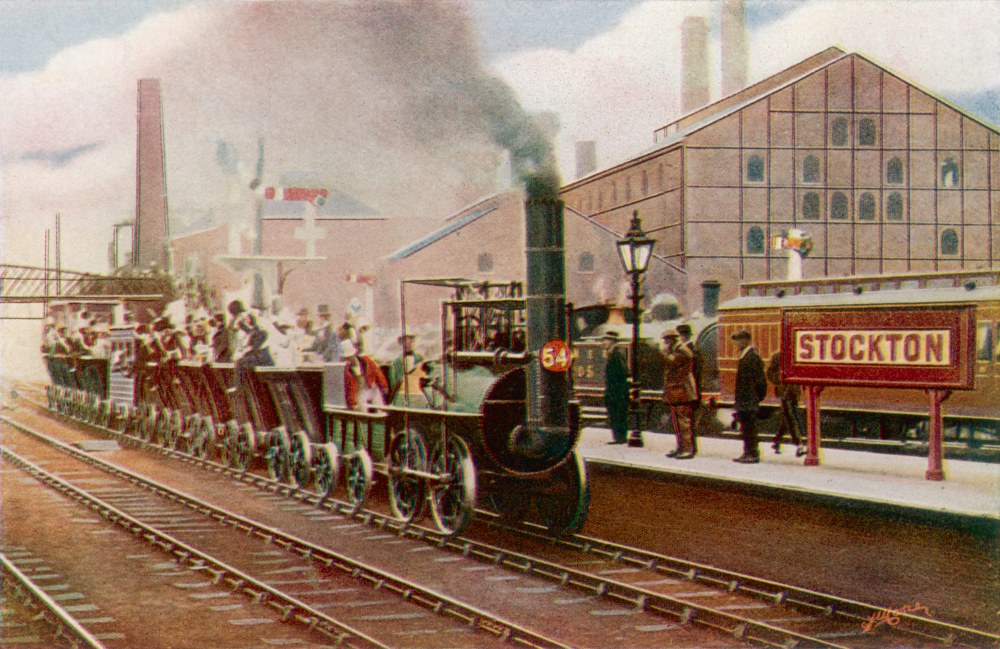
Stockton & Darlington Railway opens on 27 September
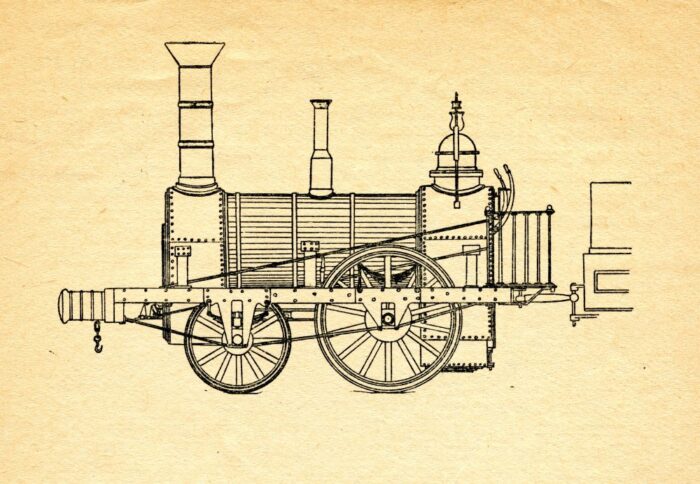
Stephenson’s Locomotion No. 1 travels 26 miles with passengers
First paying passengers
Swansea and Mumbles Railway carries passengers for a fare
Steam power proven
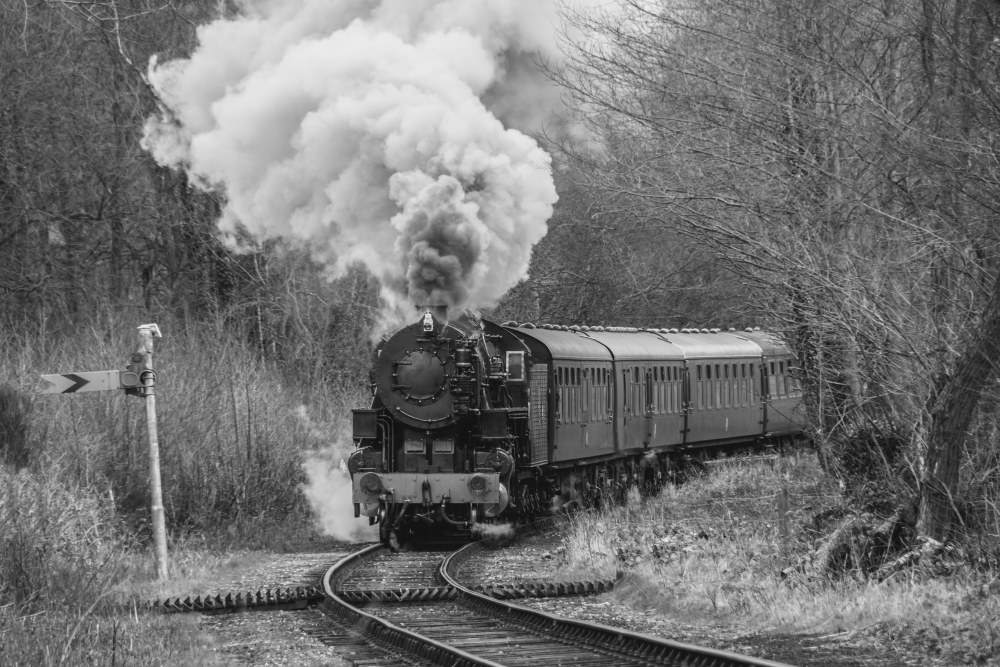
Trevithick’s Pen-y-Darren locomotive hauls 10 tonnes of coal over 10 miles in Wales

Setting up a rail maintenance business
The evolution of our own business has been significant over the decades. Initially we supplied experienced workers to our clients through NRL’s recruitment business, before quickly identifying an opportunity to deliver the maintenance services ourselves. In 2001 our Rail contracting business was established, purchasing the equipment needed to safely complete work for clients, whilst beginning to grow our contracting teams.
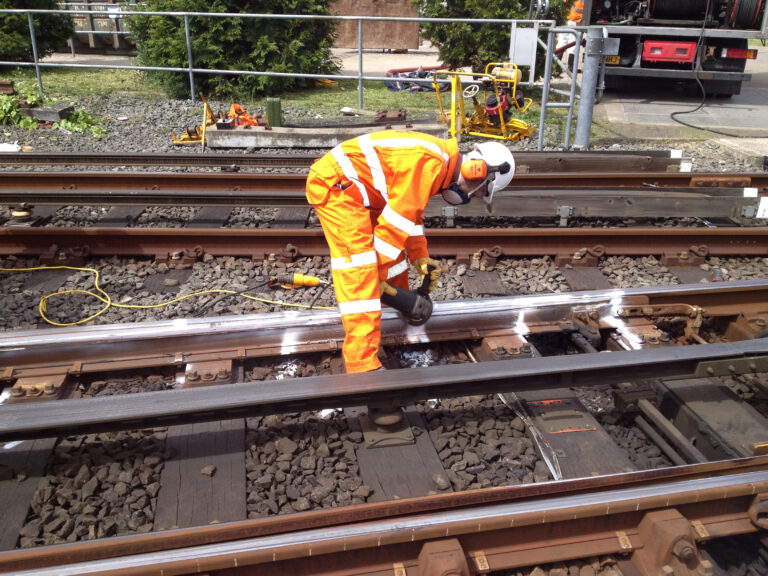
Fast forward to 2025 and combined our operations and contracting teams have a length of service with NRL spanning more than 300 years. This ensures we’re able to support our clients with in-depth industry knowledge and time-served maintenance services. We’re proud to deliver high-profile projects across the UK’s national rail infrastructure, as well as supporting clients with their private tracks. Our services have expanded over the years to now provide asset inspection, grinding, ultrasonic testing and advanced flaw detection.
Building a rewarding career in the rail industry
We’d recommend a rail career to anyone interested in making a difference, because it’s a dynamic industry that’s driven by safety and innovation, and a supportive environment to grow your skillset. Our teams include colleagues with extensive experience, alongside those who are just beginning their careers.

Steve Horbury (20+ years service)
Ground Support Maintenance Supervisor
After leaving the army I started my journey on the railway 25 years ago, and while it has always been hard work, it has also been incredibly rewarding.
What I’ve found over the years is that the best way to build a career in rail is by staying loyal to a good company. I was fortunate to find that with NRL Rail, where I’ve now worked for over 20 years. During this time, I’ve had the opportunity to progress from a normal track worker into supervisory roles, and the highlights for me have been taking on new training and being promoted through the company.
The railway offers so many opportunities for those willing to work hard, and I’d highly recommend it as a career – especially for those starting at a young age. It’s an industry where effort is rewarded and there’s always room to grow.
Kenzie Mellor
Apprentice Administrator
I was attracted to the rail industry as there is a wide variety of jobs to allow me to gain more skills and industry knowledge – as well as opening up new opportunities for me in the future. I am really enjoying my apprenticeship as I have been given the chance to take on new responsibilities alongside my studies – making it very interesting and varied, whilst keeping me busy on a daily basis.
I have thoroughly enjoyed my experience so far in the rail sector, I’ve learnt much more about the industry, and I have gained a lot more skills, including IT skills, time keeping and working as a team. During a typical day I use all of these skills, to manage administrative tasks and support colleagues, and it’s a great role to be in.
Growing NRL’s rail expertise
Whilst our history may not span 200 years, we’re proud to have supported the rail sector for more than two decades.
NRL Rail established
Began working for Network Rail
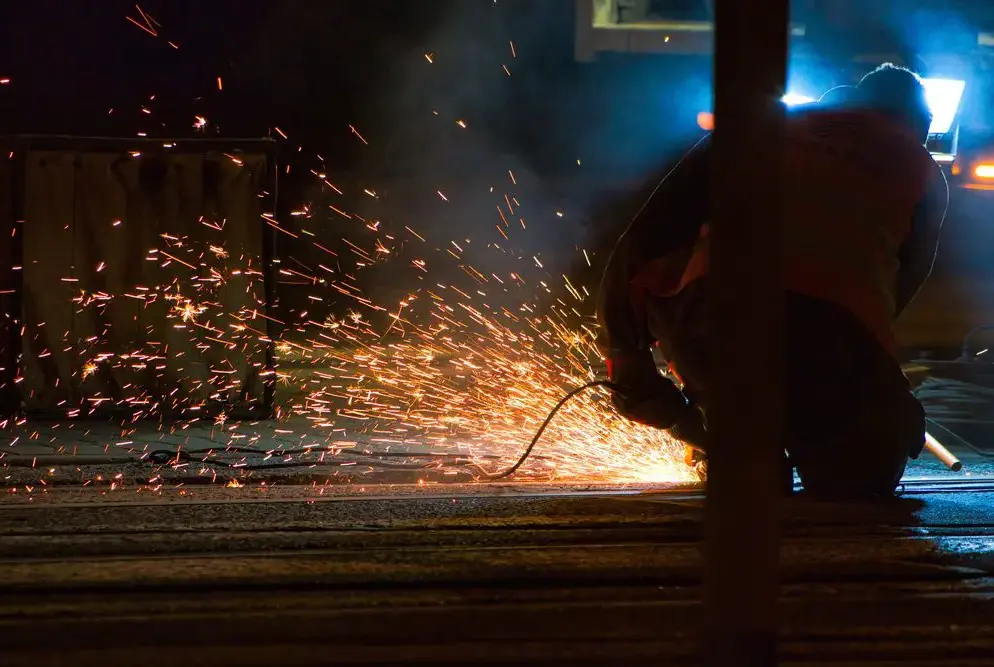
Provided grinding teams to London Underground infrastructure for Tubelines Limited
Awarded RISQs accreditation for welding services to the Rail Industry
Became a member of CIRAS
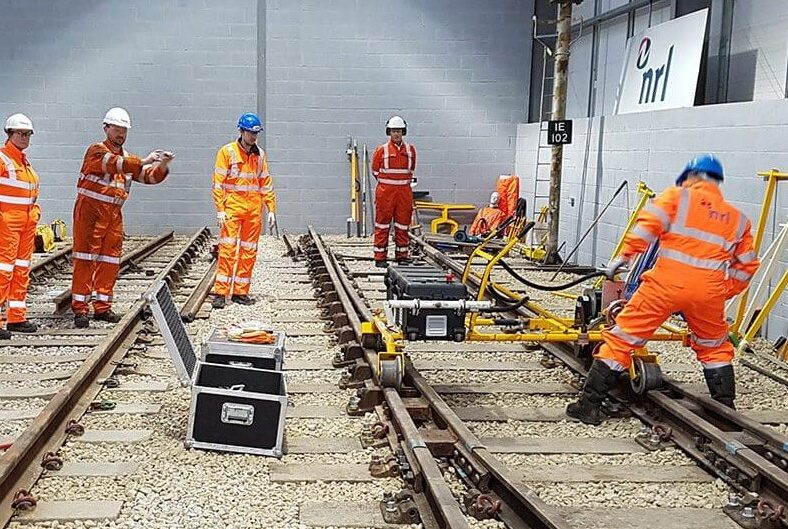
IOSH approved rail training launched
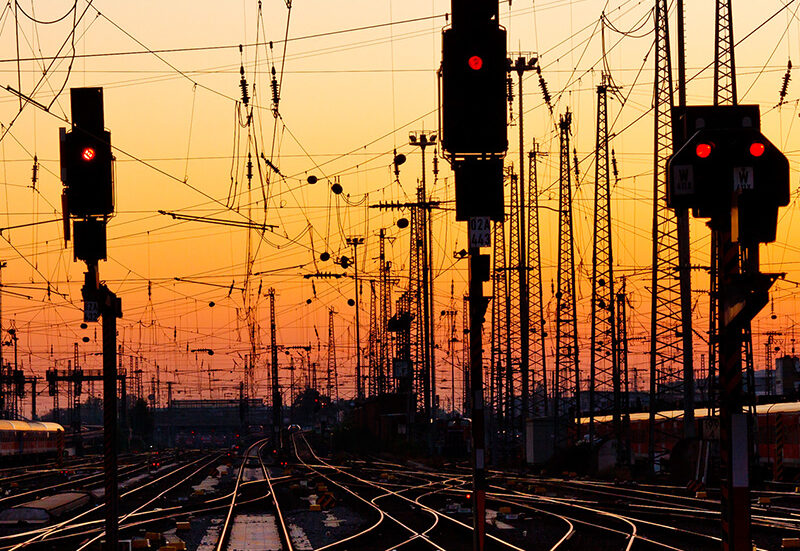
A safety evolution spanning 200 years
In the early days of rail travel, safety was minimal – passengers rode in open carriages, trains lacked signals or speed limits, and accidents were frequent. Over the centuries, the rail industry has undergone a dramatic transformation, evolving into one of the safest forms of transport. Today’s railways are protected by advanced technologies like automatic signalling, real-time monitoring, and fail-safe systems, alongside rigorous staff training and emergency protocols. NRL’s contracting teams are proud to play a key role in continuing this safety, through our preventative and proactive maintenance services. Each year, a stand down day is held to take time out of busy schedules to ensure safety remains front of mind for everyone working in our teams. As well as ensuring we’re looking after the health and wellbeing of our colleagues.
The future of modern railway business
In recent years, electrification projects have been taking place across the network to support the industry’s decarbonisation efforts. Electric trains offer greater operational efficiencies and environmental benefits than their predecessors, and it’s an approach we share within our own maintenance operations. In 2021, alongside the wider NRL Group, we voluntarily signed up to become carbon neutral, offsetting any emissions we could not immediately eliminate by investing in environmental initiatives across the globe. Each year we look at how we can further reduce our footprint, from switching to electric vehicles in our maintenance fleet, to purchasing fully electric grinding machines to reduce fuel consumption.
As we look ahead to the next 200 years, the future of rail travel lies in embracing innovation that not only moves people safely and efficiently but also protects the planet. We’re looking forward to continuing our own journey to explore carbon reduction initiatives.
Get in touch
If you’d like to discuss how NRL’s team can support your business, then share your details.